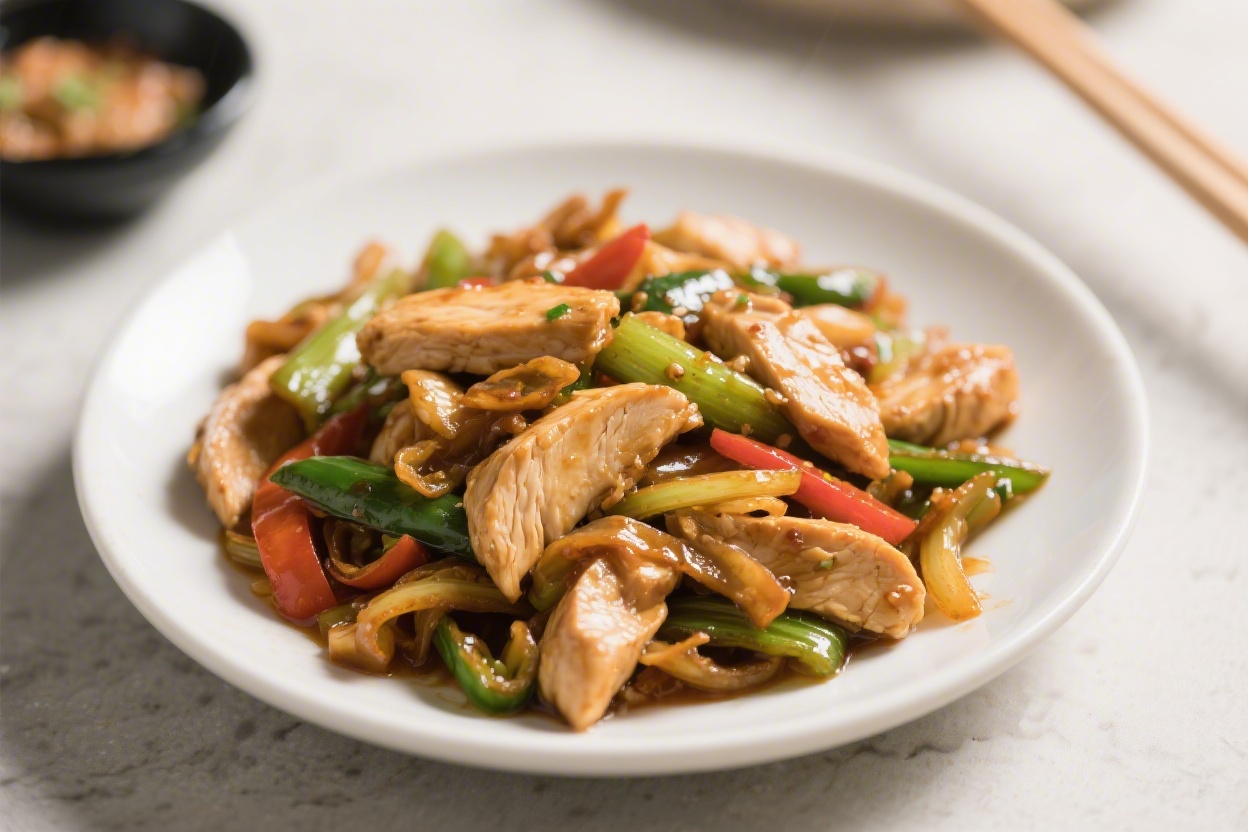
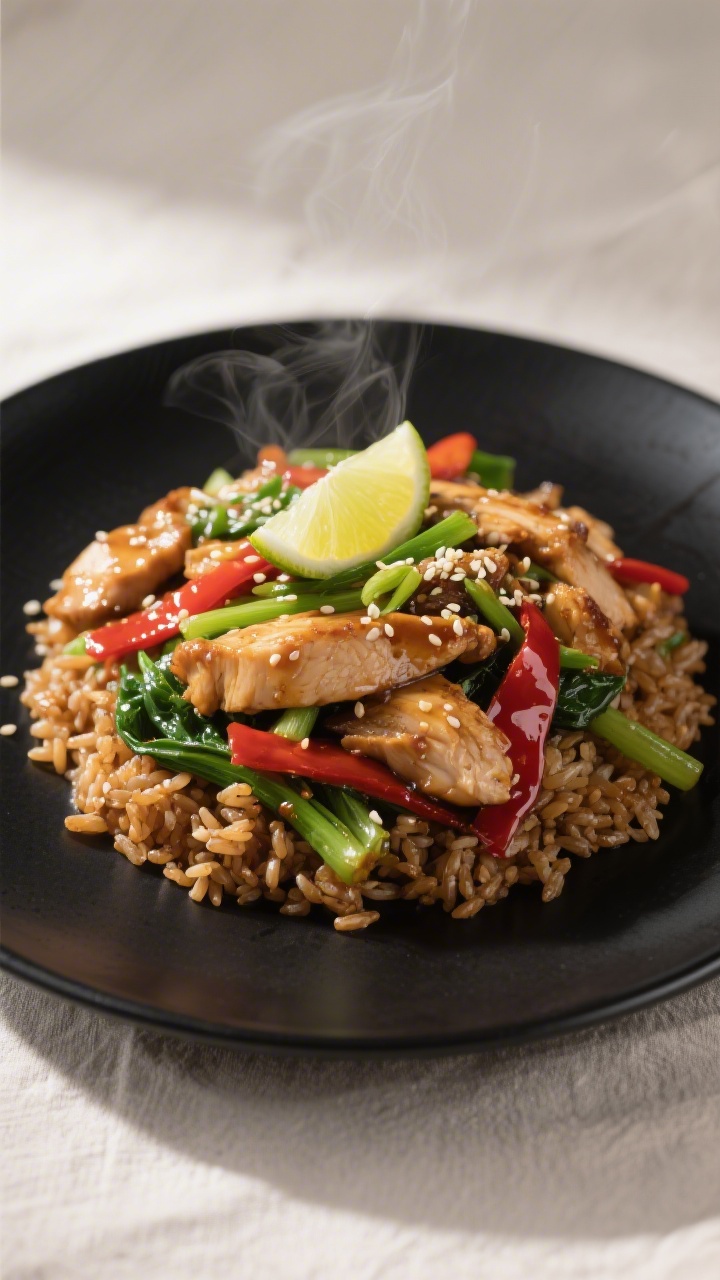
Skip the delivery app and make this crisp-tender, saucy chicken stir fry at home in less time than it takes to choose a restaurant. It’s packed with lean protein, colorful veggies, and a glossy sauce that clings to every bite. Everything cooks in one pan, and the prep is simple enough for a busy weeknight.
You’ll get restaurant-level flavor without the grease, extra sugar, or mystery ingredients. Plus, it reheats like a dream for lunch tomorrow.
Why This Recipe Works
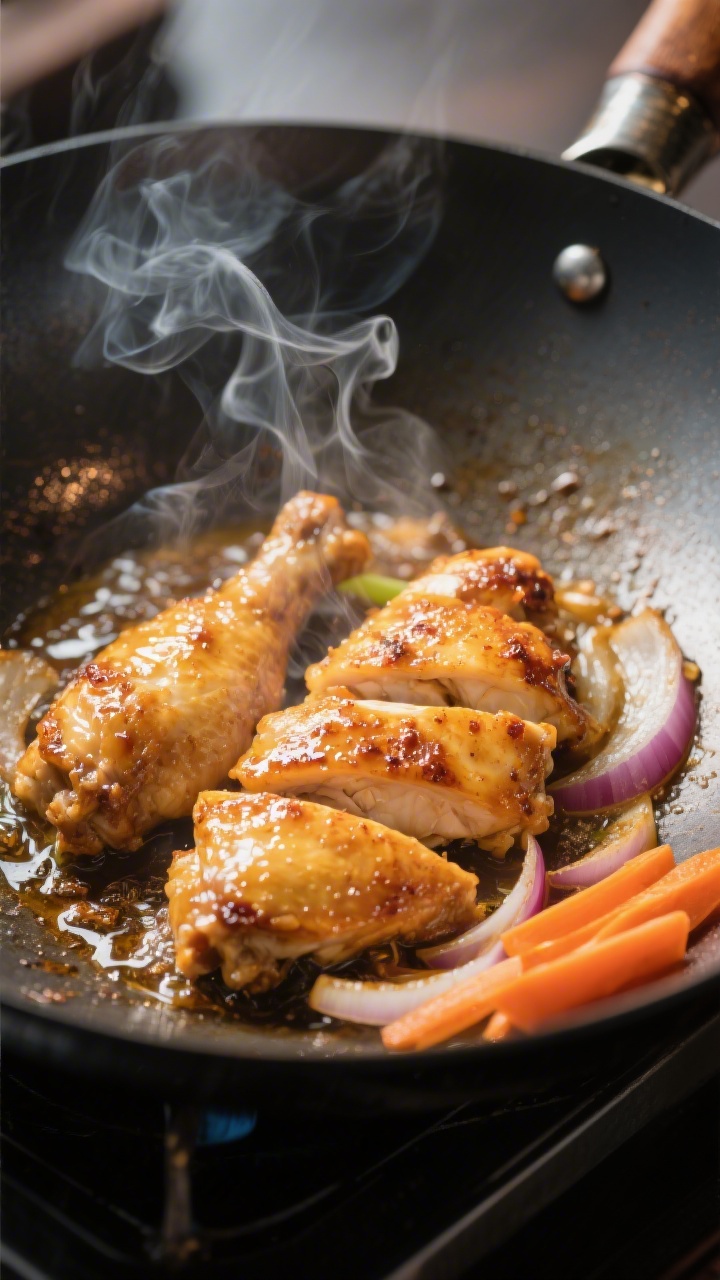
This stir fry leans on a few smart techniques that deliver big flavor quickly. Slicing the chicken thin and marinating briefly with cornstarch and soy sauce, a method called velveting, keeps it juicy and tender.
A hot pan and quick cooking preserve crunch in the vegetables and keep colors vibrant. The sauce is balanced—salty, savory, a touch of sweet, and a hint of heat—so it tastes satisfying without being heavy. Finally, everything is scaled for the home stove, so you won’t steam the ingredients by overcrowding the pan.
What You’ll Need
- Chicken: 1.25–1.5 pounds boneless, skinless chicken breast or thighs, thinly sliced across the grain
- Quick Marinade: 1 tablespoon low-sodium soy sauce, 1 tablespoon cornstarch, 1 teaspoon toasted sesame oil
- Vegetables: 1 red bell pepper (sliced), 1 cup broccoli florets, 1 small carrot (thinly sliced), 1 small yellow onion (sliced), 1 cup sugar snap peas or green beans
- Aromatics: 3 cloves garlic (minced), 1 tablespoon fresh ginger (minced), 2 green onions (sliced)
- Sauce: 1/3 cup low-sodium chicken broth, 3 tablespoons low-sodium soy sauce, 1 tablespoon oyster sauce (or extra soy + 1/2 teaspoon sugar), 1 tablespoon rice vinegar, 1–2 teaspoons honey or maple syrup, 1 teaspoon chili-garlic sauce or sriracha (optional), 2 teaspoons cornstarch
- Cooking Oil: 2 tablespoons high-heat oil (avocado, canola, or peanut)
- To Finish: Sesame seeds, extra green onion, lime wedge (optional)
- For Serving: Steamed rice, cauliflower rice, brown rice, or cooked noodles
Step-by-Step Instructions
- Prep the chicken: Freeze chicken for 15 minutes to firm it up, then slice thinly across the grain.
Toss with soy sauce, cornstarch, and sesame oil. Let it sit while you prep vegetables. This quick marinade locks in moisture.
- Mix the sauce: In a bowl, whisk chicken broth, soy sauce, oyster sauce, rice vinegar, honey, chili-garlic sauce (if using), and cornstarch.
Set near the stove. A pre-mixed sauce keeps the stir fry moving fast.
- Heat the pan properly: Use a large skillet or wok over medium-high to high heat until very hot. Add 1 tablespoon oil and swirl to coat.
A hot pan gives you that seared flavor and prevents soggy veggies.
- Sear the chicken in batches: Add half the chicken in a single layer. Don’t stir for 60–90 seconds so it browns. Stir and cook another 1–2 minutes until just cooked through.
Transfer to a plate. Repeat with the remaining chicken using another 1/2 tablespoon oil if needed.
- Stir-fry the vegetables: Add the remaining oil. Toss in onion, carrot, and broccoli.
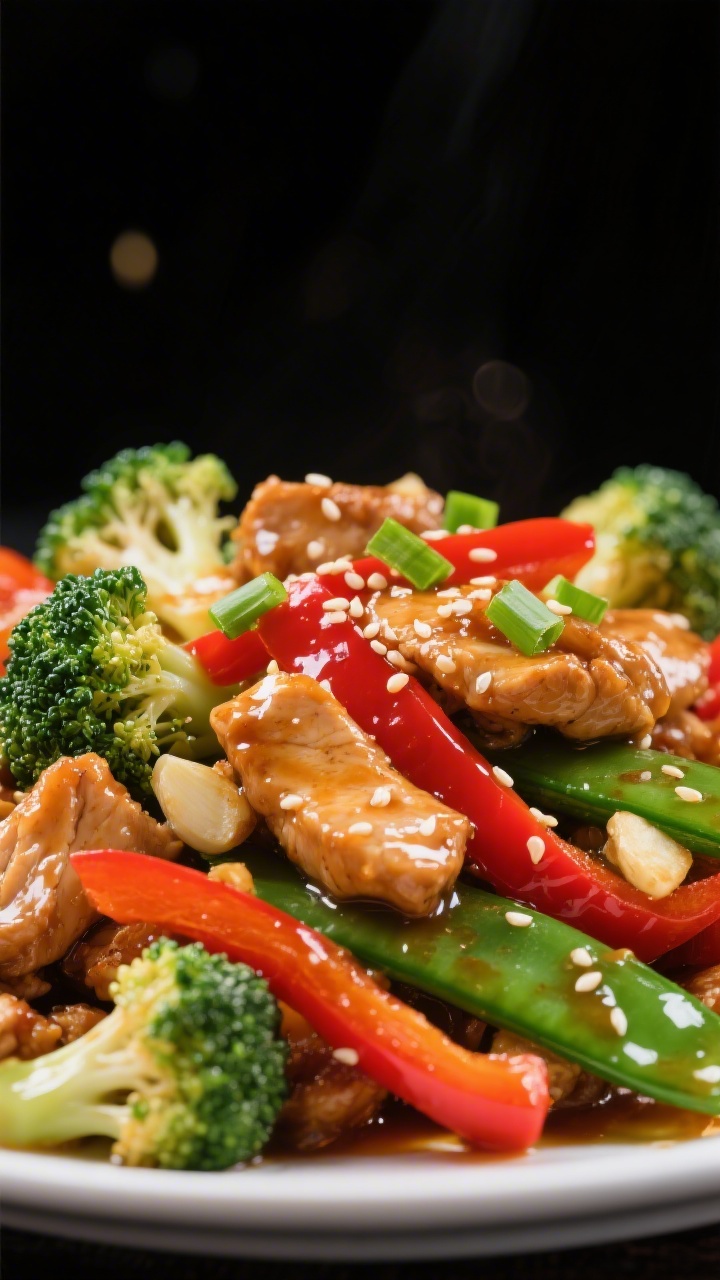
Cook 2 minutes, stirring often. Add bell pepper and snap peas. Cook 2–3 minutes more until crisp-tender.
You want bright colors and slight bite.
- Add aromatics: Push veggies to the sides. Add garlic and ginger to the center. Stir 20–30 seconds until fragrant.
Don’t let them brown.
- Combine and sauce: Return chicken and any juices to the pan. Whisk the sauce again and pour it in. Stir constantly 60–90 seconds as it thickens and coats everything.
- Finish and taste: Sprinkle in green onions.
Squeeze a little lime if you like. Taste and adjust with a splash of soy for salt, vinegar for brightness, or honey for balance.
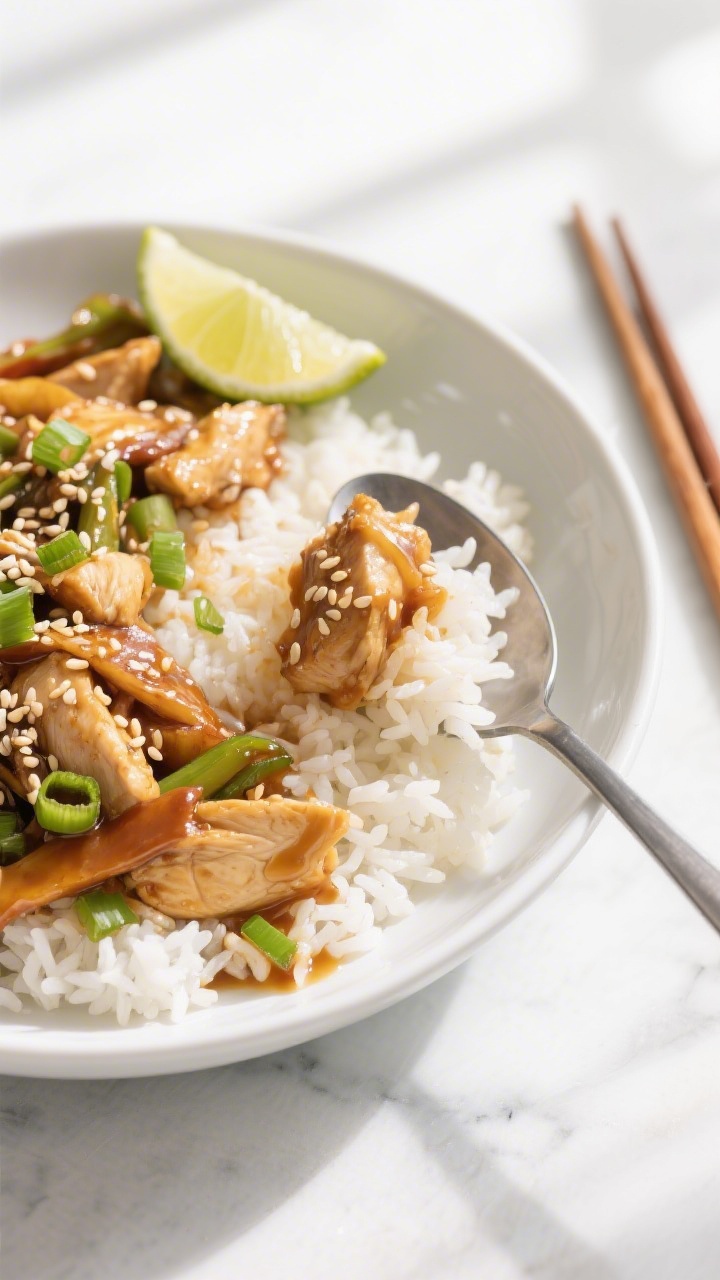
- Serve hot: Spoon over rice or noodles. Top with sesame seeds and extra green onion.
Eat right away for the best texture.
Keeping It Fresh
Leftovers store well and make a great high-protein lunch. Cool completely, then refrigerate in an airtight container for up to 4 days. Reheat gently in a skillet over medium heat with a splash of water to loosen the sauce, or microwave in short bursts, stirring in between.
For meal prep, keep the rice and stir fry in separate containers so each reheats perfectly. If you plan to freeze, slightly undercook the vegetables the first time to preserve crunch.
Why This is Good for You
This recipe prioritizes lean protein and vegetables without drowning them in oil or sugar. Chicken breast or thighs supply 25–35 grams of protein per serving, depending on portion size.
The mix of broccoli, peppers, carrots, and snap peas adds fiber, vitamin C, vitamin A, potassium, and antioxidants. Using low-sodium soy sauce and a controlled amount of sweetener keeps sodium and added sugar in check. Pair with brown rice or cauliflower rice for extra fiber or lower carbs, and you’ve got a balanced plate that satisfies.
Pitfalls to Watch Out For
- Overcrowding the pan: Too much chicken at once steams instead of sears.
Cook in batches for browned edges and tender meat.
- Skipping the cornstarch marinade: This tiny step keeps chicken juicy and helps the sauce cling. Don’t skip it.
- Weak heat: A lukewarm pan leads to soggy vegetables. Preheat until the oil shimmers.
- Overcooking veggies: Stir fries should be crisp-tender.
Pull them before they go limp or dull in color.
- Unbalanced sauce: Taste and tweak. Add a splash of vinegar for brightness or a touch more honey to round out sharp edges.
Alternatives
- Protein swaps: Try shrimp, tofu (pressed and cubed), or thinly sliced beef. For tofu, toss with cornstarch and pan-sear until golden before adding the veggies.
- Vegetable flexibility: Use what you have—mushrooms, zucchini, baby corn, bok choy, or cabbage.
Cut everything to similar sizes for even cooking.
- Gluten-free option: Replace soy sauce with tamari or coconut aminos and ensure oyster sauce is gluten-free or omit it.
- Lower carb: Serve over cauliflower rice or shirataki noodles. Keep the sauce as written for flavor; portions matter more than drastic cuts.
- Extra heat: Add sliced fresh chili, more chili-garlic sauce, or a pinch of red pepper flakes when you add the aromatics.
- No oyster sauce on hand: Use 1/2 teaspoon fish sauce plus 1/2 teaspoon sugar, or just add another tablespoon of soy sauce and a little extra honey.
FAQ
Can I use frozen vegetables?
Yes, but cook them from frozen in a very hot pan so they don’t get watery. Stir fry until most moisture evaporates, then add aromatics and sauce.
Fresh veggies keep the best crunch, but frozen can be a great time-saver.
How do I keep the chicken from turning tough?
Slice thin across the grain, use the quick cornstarch marinade, and cook fast over high heat. Pull it as soon as it’s opaque and just cooked through, then finish in the sauce for only a minute or two.
What oil is best for stir frying?
Use a neutral, high-smoke-point oil like avocado, canola, peanut, or grapeseed. Olive oil can burn at high heat and affect flavor, so save it for finishing dishes, not stir fries.
Can I make this ahead?
Yes.
Chop vegetables and mix the sauce up to 2 days ahead. Slice and marinate the chicken up to 12 hours ahead. When it’s time to cook, everything comes together in under 15 minutes.
How do I scale this up for meal prep?
Double the ingredients and use two pans, or cook in clear batches to avoid steaming.
Portion with rice into containers, add a lime wedge, and store for 3–4 days. The texture holds up well if you don’t overcook the vegetables.
Is the sauce very salty?
It’s balanced and uses low-sodium soy sauce. If you’re sensitive to salt, start with 2 tablespoons soy sauce and add more to taste at the end.
A squeeze of lime or splash of vinegar can brighten flavors without extra salt.
In Conclusion
This high protein chicken stir fry brings takeout-level satisfaction with better ingredients and faster timing. You’ll get tender chicken, crisp veggies, and a glossy, balanced sauce in one pan. Keep the heat high, don’t crowd the pan, and taste as you go.
Once you’ve made it once, you’ll have a new weeknight staple that beats delivery on speed, flavor, and nutrition.
Find more in high-protein