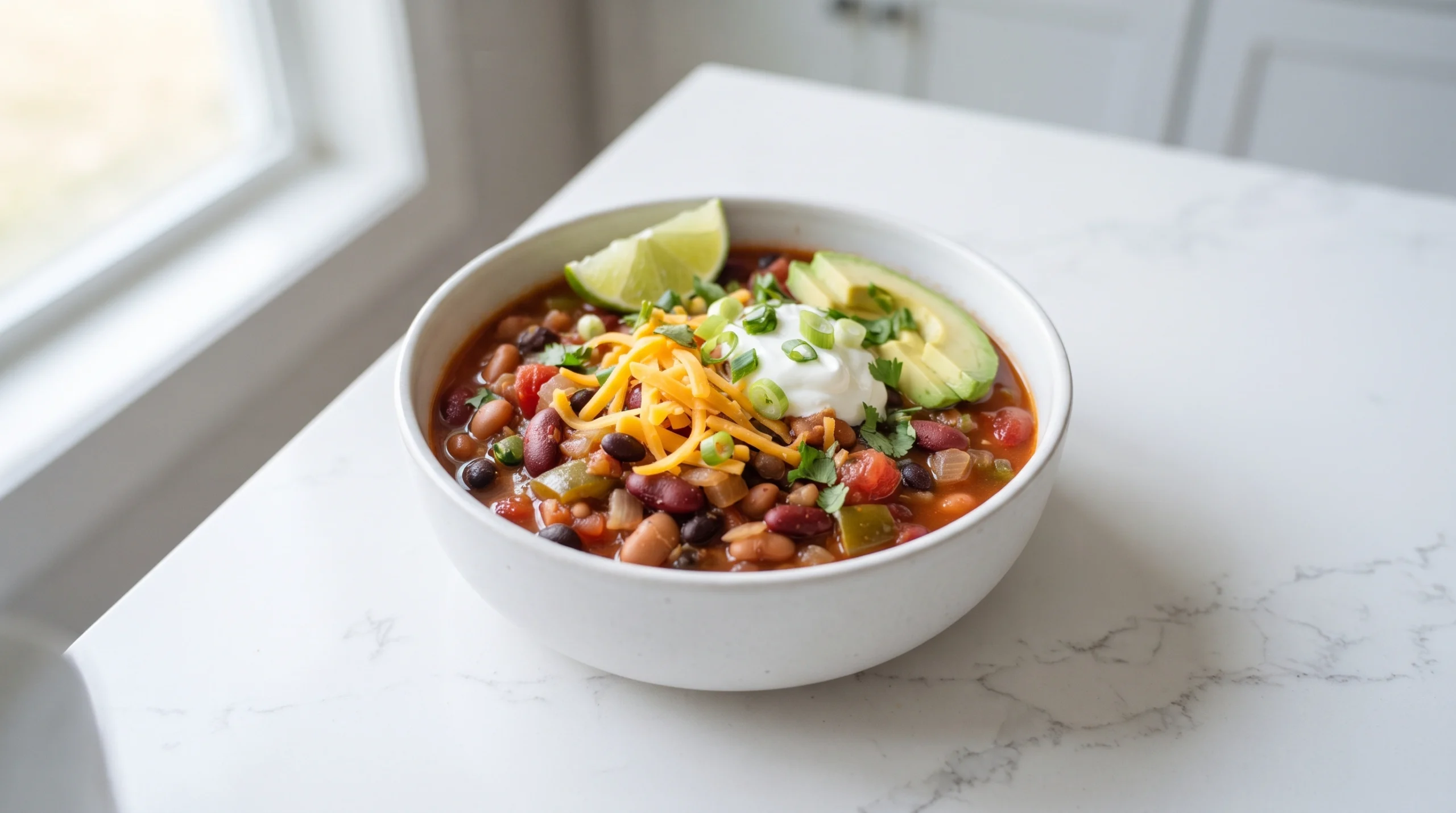
If summer had a flavor, it would be a cold glass of lemonade. Bright, zesty, and just sweet enough, this classic drink never goes out of style. It’s the kind of recipe you can make in minutes with just a few pantry staples.
No fancy equipment, no special techniques—just real lemons, sugar, and water doing their thing. Whether you’re hosting a barbecue or cooling off on your porch, this lemonade hits the spot every time.
What Makes This Special
This recipe focuses on pure lemon flavor without any artificial shortcuts. You’ll make a quick simple syrup so the sugar dissolves completely, which gives you a smooth, balanced sweetness in every sip.
Freshly squeezed lemon juice brings the bright, tangy kick that bottled juice can’t match. And by using a little lemon zest, you get that extra citrus aroma that makes the drink feel fresh and lively. It’s flexible, too—easy to scale up for a crowd or customize with herbs, berries, or sparkling water.
What You’ll Need
- Fresh lemons (6–8 medium, to yield about 1 cup of juice)
- Granulated sugar (1 cup, for the simple syrup)
- Water (4–5 cups total: 1 cup for the syrup, 3–4 cups cold for diluting)
- Lemon zest (optional, from 1 lemon, for extra aroma)
- Ice (as needed for serving)
- Pinch of salt (optional, a tiny pinch deepens the flavor)
- Fresh mint or basil (optional, for garnish)
How to Make It
- Make the simple syrup. In a small saucepan, combine 1 cup sugar and 1 cup water.
Warm over medium heat, stirring, until the sugar fully dissolves. Do not boil. Remove from heat and cool slightly.
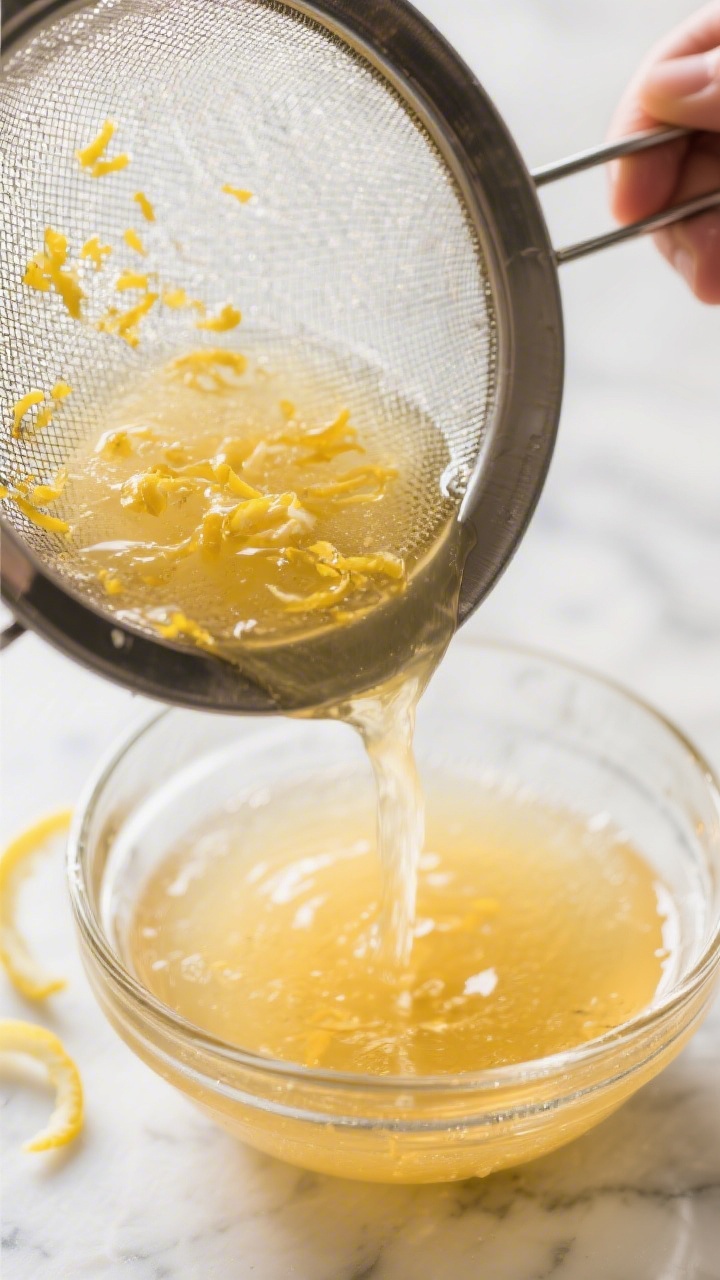
- Add lemon zest (optional) to the warm syrup. Stir in the zest and let it steep 5–10 minutes, then strain it out.
This adds a fragrant citrus lift without bitterness.
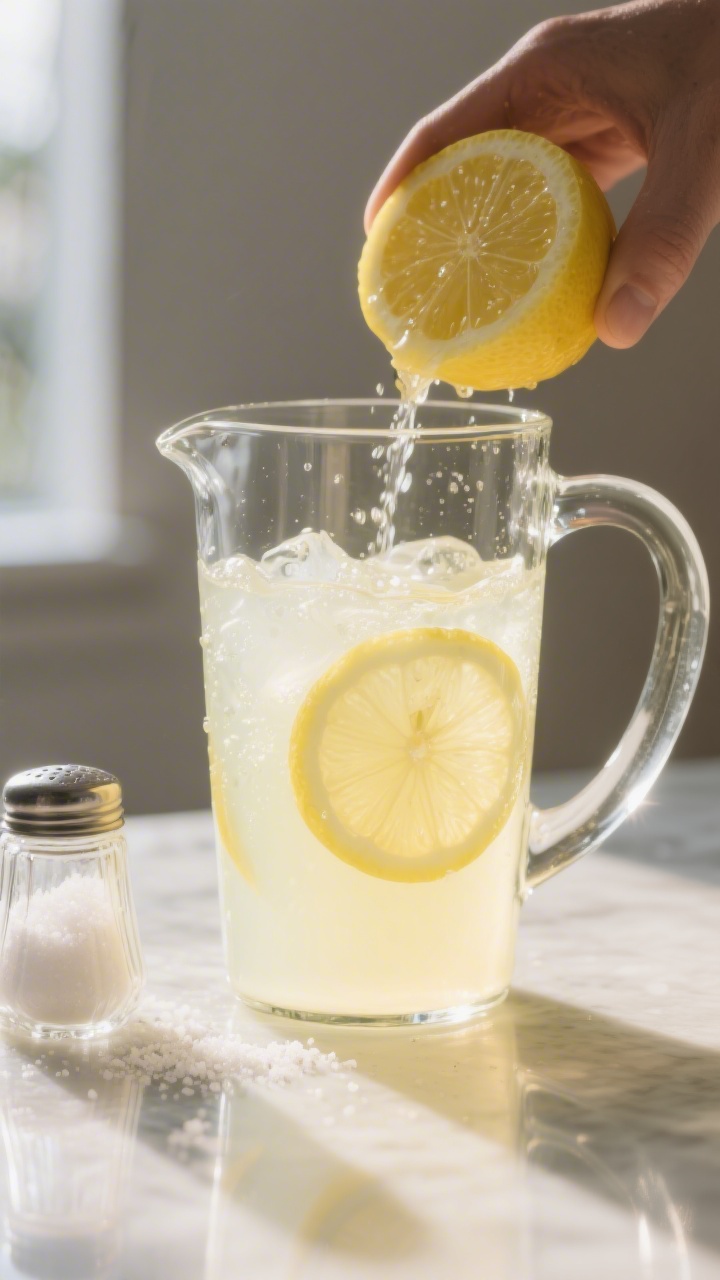
- Juice the lemons. Roll each lemon on the counter to loosen the juice, then cut and squeeze. Strain out the seeds and most pulp. You’re aiming for about 1 cup of juice.
- Combine in a pitcher. Add the lemon juice and cooled simple syrup to a large pitcher.
Stir well. If using a pinch of salt, add it now to round out the flavor.
- Adjust the water. Pour in 3–4 cups of cold water, starting with 3 cups. Stir and taste.
For a bolder, tangier lemonade, keep it stronger; for a softer sip, add more water.
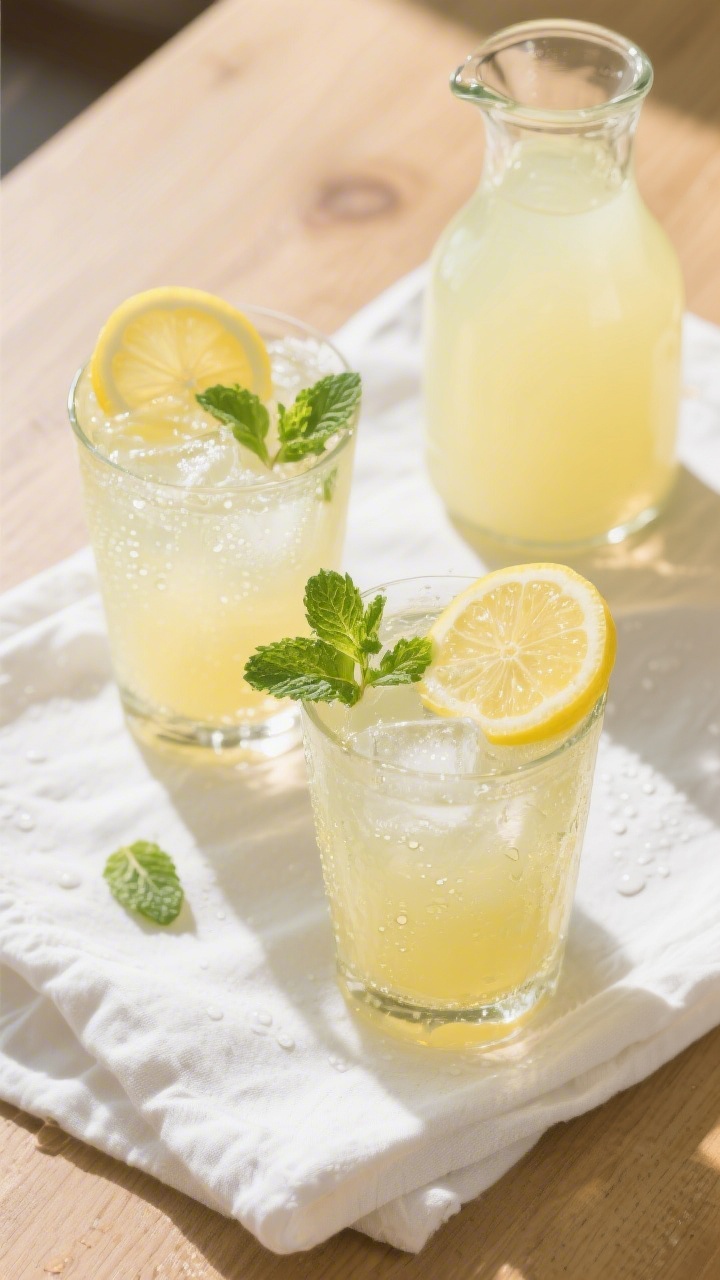
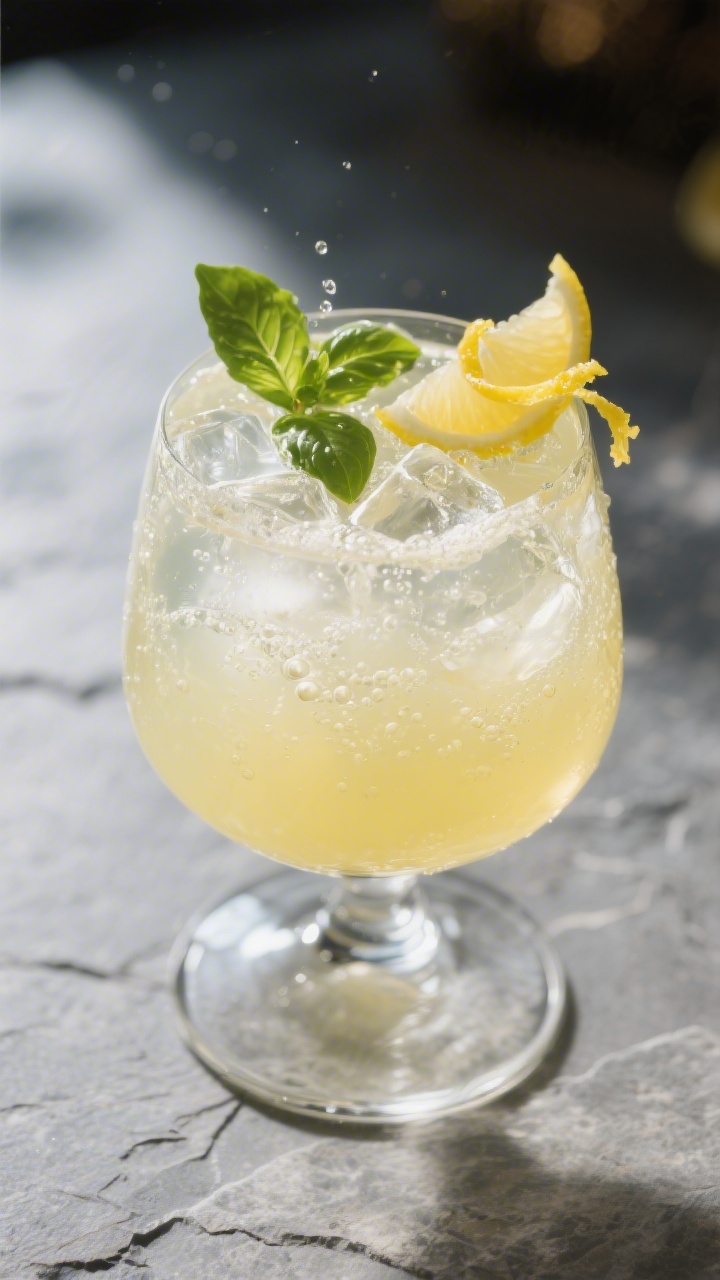
- Chill and serve. Refrigerate for at least 30 minutes so the flavors settle. Serve over ice with lemon slices and fresh mint if you like.
- Make it sparkle (optional). For a bubbly version, use 2–3 cups cold water in the pitcher and top each glass with chilled sparkling water right before serving.
Storage Instructions
Store your lemonade in a sealed pitcher or jar in the refrigerator for up to 4 days. Keep any added herbs or fruit separate if you plan to store it longer, since they can dull the flavor over time.
If you made extra simple syrup, it keeps well in a sealed container in the fridge for 2–3 weeks. Give the lemonade a quick stir before serving, as natural separation can occur. For ice-cold lemonade without dilution, freeze some lemonade in ice cube trays and use those cubes when serving.
Health Benefits
- Vitamin C boost: Fresh lemons are packed with vitamin C, which supports your immune system and helps with collagen formation.
- Hydration helper: Lemonade encourages you to drink more fluids, especially on hot days, helping prevent dehydration.
- Digestive support: The natural acidity of lemons can stimulate saliva and may aid digestion for some people.
- Customizable sweetness: You control the sugar.
Use less, try honey, or go with a low-calorie sweetener to fit your needs.
Common Mistakes to Avoid
- Skipping the simple syrup: Stirring dry sugar into cold water leaves gritty crystals and uneven sweetness. Dissolve it first for a smooth result.
- Over-diluting: Add water gradually and taste as you go. It’s easier to thin strong lemonade than to fix weak lemonade.
- Using bottled lemon juice: It often tastes flat or bitter.
Fresh juice gives a clean, bright flavor.
- Boiling the syrup hard: A hard boil can slightly caramelize the sugar and change the flavor. Gentle heat is enough to dissolve it.
- Letting zest sit too long: Long steeping can introduce bitterness. Ten minutes is plenty.
- Adding sparkling water too early: It will go flat in the pitcher.
Add bubbles right before serving.
Alternatives
- Honey Lemonade: Replace sugar with 3/4 to 1 cup honey. Warm gently with water to dissolve, then proceed. Honey adds floral notes and a rounder sweetness.
- Maple Lemonade: Use 3/4 cup pure maple syrup instead of sugar syrup.
It lends a subtle caramel flavor that pairs well with grilled foods.
- Low-Sugar or Sugar-Free: Sweeten to taste with stevia, monk fruit, or erythritol. Start small and adjust; some sweeteners taste sweeter than sugar.
- Herb-Infused: Steep fresh mint, basil, or rosemary in the warm syrup for 5–10 minutes, then strain. This adds complexity without overpowering the lemon.
- Berry Twist: Muddle 1 cup fresh strawberries, raspberries, or blueberries and strain into the pitcher.
You’ll get a pretty color and gentle fruit sweetness.
- Ginger Lemonade: Simmer a few slices of fresh ginger with the syrup, then strain. It adds a warm, zesty bite.
- Frozen Lemonade: Blend lemonade with ice until slushy. For a creamier texture, add a few tablespoons of sweetened condensed milk or coconut milk.
FAQ
How many lemons do I need for one pitcher?
Plan on 6–8 medium lemons for about 1 cup of juice.
If your lemons are small or less juicy, grab a couple extra just in case.
Can I make it ahead of time?
Yes. Mix the lemonade and chill it for up to 24 hours before serving. If you’re adding herbs or sparkling water, wait until right before pouring to keep it fresh and lively.
How do I fix lemonade that’s too sour?
Add more simple syrup or a splash of water, little by little, tasting as you go.
A tiny pinch of salt can also soften sharp acidity without making it taste salty.
How do I fix lemonade that’s too sweet?
Stir in additional lemon juice and water to rebalance. Keep a couple of extra lemons on hand for quick adjustments.
Can I use limes or other citrus?
Absolutely. Swap some or all of the lemon juice with lime, grapefruit, or orange for a citrus blend.
Adjust sugar to match the fruit’s sweetness and acidity.
Do I need to strain the pulp?
It’s up to you. Straining creates a smoother drink, but a little pulp adds body and a homemade feel. If serving guests, you can offer both options.
What’s the best water to use?
Cold filtered water gives the cleanest flavor.
If your tap water has a strong taste, consider using filtered or bottled water for the best result.
Can I reduce the sugar without changing the texture?
Yes. Cut the simple syrup to 3/4 cup sugar per 1 cup water, then adjust with extra lemon and water. The drink will still be balanced if you taste and tweak.
How can I make a big batch for a party?
Multiply everything by 3 or 4 and mix in a large dispenser.
Keep extra ice on the side so you don’t water it down. Offer sliced lemons, mint, and a sparkling topper for guests to customize.
Is there an alcohol version?
For adults, add vodka, gin, or light rum to taste. Start with 1 to 1.5 ounces per serving and stir well.
A splash of elderflower liqueur is also lovely.
In Conclusion
Classic homemade lemonade is all about balance: bright lemon, gentle sweetness, and enough water to make it refreshing. With a simple syrup and fresh juice, you get a clean, crisp drink every time. Keep it classic or dress it up with herbs, berries, or bubbles—the base recipe is endlessly flexible.
On scorching days, there’s nothing more satisfying than a chilled glass of this fresh, tangy favorite.
Find more in Drinks